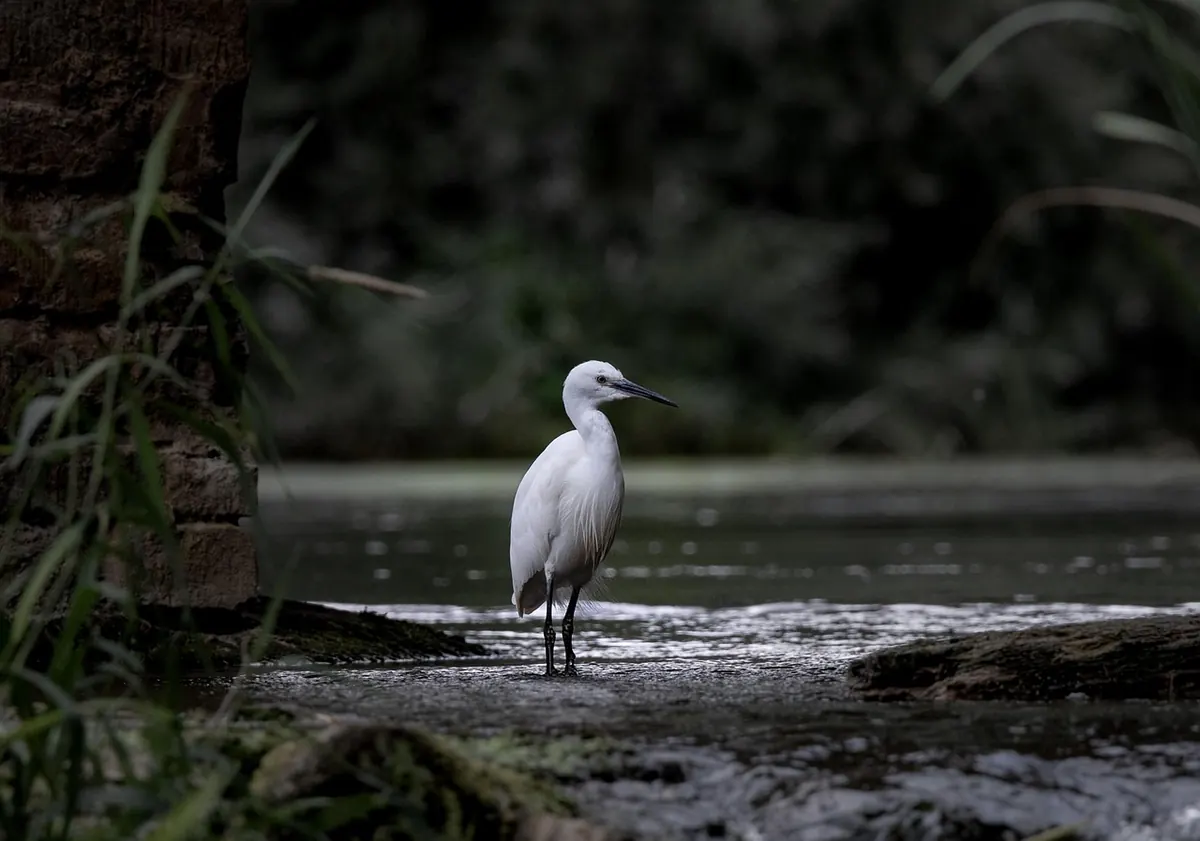
A chalk stream is a different proposition from a stillwater or a spate river. The water is clear enough to count the gravel, the ranunculus beds are thick, and the trout in them have seen a fly or two. That clarity works both ways: you can see the fish, and the fish can certainly see you. Most of the good decisions are made before you leave the house, not on the bank. Here is what earns its place in the bag for a day on a river like the Test, the Itchen, the Wylye or the Driffield Beck.
Permits, Tickets and the Paperwork
Chalk stream fishing is largely private water. Very little of it is free, and the good beats are booked well in advance, particularly during the mayfly fortnight. Sort the paperwork first, because everything else follows from where you are allowed to fish.
- A rod licence. In England and Wales this is a legal requirement for trout and coarse fishing, separate from any day ticket, and it is checked. Buy it online before you travel and keep it in your wallet or on your phone.
- A day ticket, club book or guest permit. Confirm exactly what you have bought: one rod, which beat, what time you may start, and whether you must leave by a set hour.
- The fishery's rules. Ask about barbless hooks, catch-and-release, whether wading is permitted, whether you may fish upstream only, and whether dogs are allowed on the bank.
- A printed confirmation and a phone number. Mobile signal on a Hampshire water meadow is unreliable at best.
Rules and licence requirements do change, so check with the Environment Agency and the fishery before you travel rather than relying on what was true last season.
Rod, Reel and Terminal Tackle
A nine-foot four or five weight covers almost everything a chalk stream asks of you. The four weight is the sweeter choice for dry fly work; the five weight gives you a little more control when the wind gets up over open meadow. On small carriers and side streams, an eight-foot rod is easier to keep out of the trees.
Line choice matters more than rod choice. A double taper or long-belly line mends and roll casts beautifully at close range, which is where most chalk stream fish are caught. Carry a spare spool if you have one, but you will not need a sinking line.
Leaders should be long and fine. Nine to twelve feet is normal, and longer when fish are edgy in low, bright water. Copolymer or fluorocarbon tippet in 4X to 6X will cover most situations, with spools of each in the bag. Debarb your hooks with pliers before you start, even where it is not compulsory.
The Flies Worth Carrying
Chalk streams are hatch-driven, so a local fly shop or the fishery itself is the best source of up-to-date advice on what is coming off. That said, a modest box built around the classics will see you through.
- Dry flies: mayfly patterns in green and grey drake for late May and early June, plus spent spinners for the evening. Blue-winged olive, large dark olive and iron blue in sizes 16 to 18.
- Emergers: CDC shuttlecock and Klinkhamer patterns, which sit in the surface film and cover the awkward moment when a fish is taking just under it.
- Nymphs: pheasant tail, hare's ear, olive nymph, shrimp and cress bug patterns, some with a small bead. Small is usually better than big.
- Terrestrials: a foam beetle, an ant and a black gnat. On a hot afternoon with no hatch, these catch fish that dries will not.
Take fewer patterns and more sizes. Duplicates of three or four flies you trust beat thirty you have never fished. Keep a small box in your chest pack and a full box in your rucksack as backup.
Clothing, Waders and Boots
Chalk valleys are cold at dawn even in June, and the mist sits low over the water until mid-morning. Dress in layers: a synthetic or merino base, a fleece mid-layer, and a lightweight shell that packs into a pocket.
Check whether wading is allowed before you assume it is. Many beats ask anglers to stay on the bank to protect fragile margins. Where wading is permitted, breathable chest or waist waders with a belt are ideal, and rubber-soled boots with studs are now widely preferred to felt because they carry less between waters.
Colour matters. Leave the bright red jacket at home and wear dull greens, tans and greys. A wide-brimmed hat does more for your catch rate than any fly, because it breaks up the shape of your head against the sky.
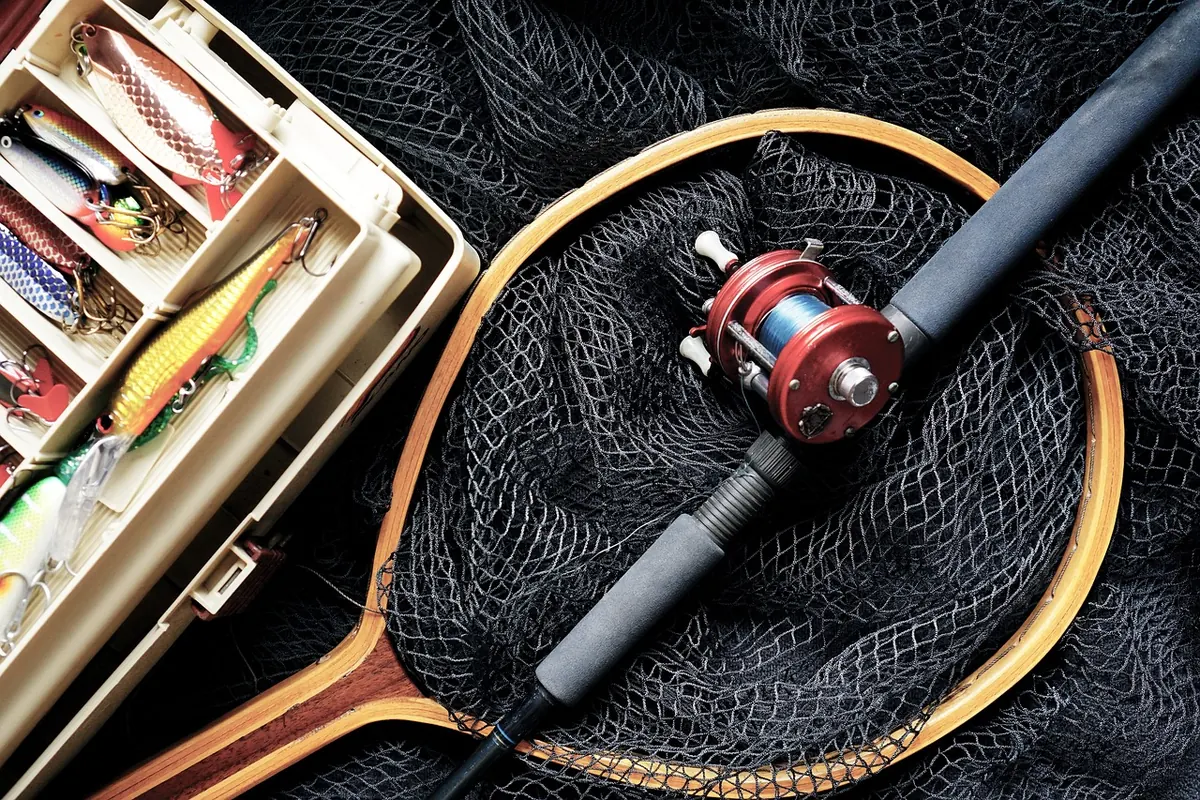
Polarised sunglasses are not optional. Amber or copper lenses cut through the surface glare and let you spot fish before they spot you. Add a soft-mesh knotless landing net with a long handle; rubberised mesh is kinder to fish and does not snag your flies.
Accessories and the Small Things
It is the odds and ends that turn a frustrating day into a comfortable one. Pack a waterproof rucksack, a dry bag for your phone and keys, a flask, and something to eat that does not mind being squashed.
- Nippers, forceps and a hook sharpener
- Floatant, sinkant and desiccant powder for waterlogged dries
- Spare leaders and tippet spools
- A small thermometer, because chalk streams fish best within a narrow temperature range
- Insect repellent and a midge net for the evening rise
- A head torch for the walk back after the spinner fall
- A small towel and a wading staff if the banks are steep or slippery
Biosecurity and Looking After the Water
Chalk streams are among the most fragile habitats in the country. Invasive species and disease travel on damp kit, so clean and dry your boots, waders and net between rivers, and let them dry thoroughly before the next trip. Never move weed fragments or water between catchments.
On the bank, keep disturbance to a minimum. Stay off the gravel redds in winter, avoid trampling the weed beds, and handle any fish you catch with wet hands, unhook it quickly and return it without lifting it clear of the water where you can manage it. A well-treated fish is a fish you might catch again next season.
Before You Leave the House
Read the forecast, but read the river too. Chalk streams run clear, and a colouring spate after heavy rain can put them out of sorts for a day or more. If you can, arrive half an hour early, sit on the bank and watch before you rig up. You will learn more about where the fish are in ten quiet minutes than in an hour of casting.
Then: licence in the wallet, ticket printed, leaders tied fresh the night before, flask filled, boots dry, and polarised glasses on your face rather than in the bag. Everything else is a bonus. Get the preparation right and the day looks after itself.
Photo: TheOtherKev / Pixabay