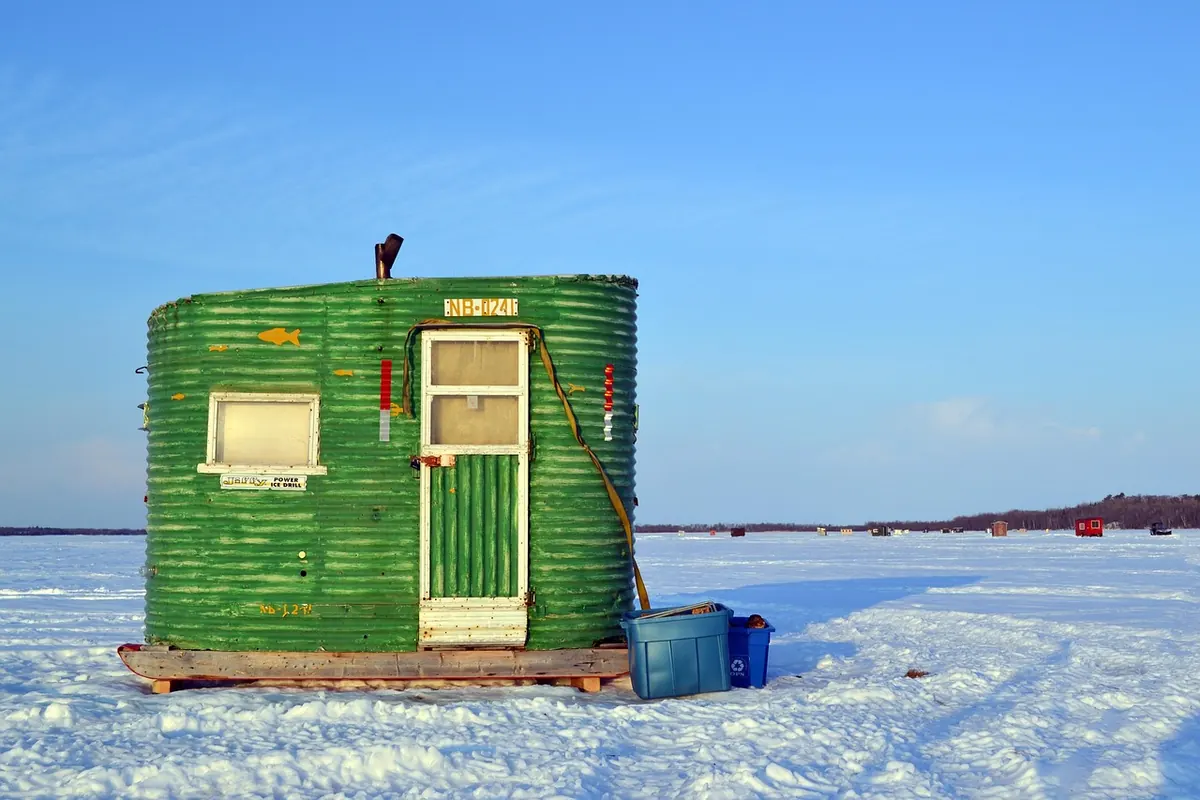
There is a particular stillness to a winter fishery. Mist on the surface, frost on the platform, not a ripple worth reading. The fish are still there. They have simply slowed right down, grouped up in the warmest water they can find, and stopped chasing anything that looks like hard work. Winter fishing rewards thought over casting. Get a few things right and a blank session turns into a tidy net of roach, perch and chub.
What follows are ten tactics for when the water temperature drops. Most of them involve doing less, more carefully.
Find the warmest water on the venue
Fish take their temperature from the water around them, so in a cold snap they do the only sensible thing available: they go where it is least cold. On a stillwater that usually means the deepest water, the bottom of a ledge, or a hole in an otherwise shallow lake. Water is at its densest at around four degrees, which is why deep water stays the most stable place to sit through a hard frost.
Mild, bright afternoons change the picture. Sheltered shallows facing the low sun can be a degree or two warmer than the open water, and fish will drift onto them to feed for an hour or two. On canals, bridges, moored boats, lock cuttings and reed-lined bends all hold fish. On rivers, look for slow, deep glides, the slack behind a bridge pier, or the inside of a bend out of the main flow. If you have the time, walk the venue first. Ten minutes with polarised glasses tells you more than an hour of guessing.
Fish the warmest hours, not the most convenient ones
The first hour after dawn in December is usually the worst hour of the day, because the water has been losing heat all night. The best of the fishing tends to come between about ten in the morning and three in the afternoon, and the last hour of that window is often the best of all. If you can only manage a short session, make it a lunchtime one.
Mild spells matter just as much. Two or three days of south-westerly wind and drizzle will lift water temperatures and put fish back on the feed. That is the week to take a day off, not the week after the frost.
Scale everything down
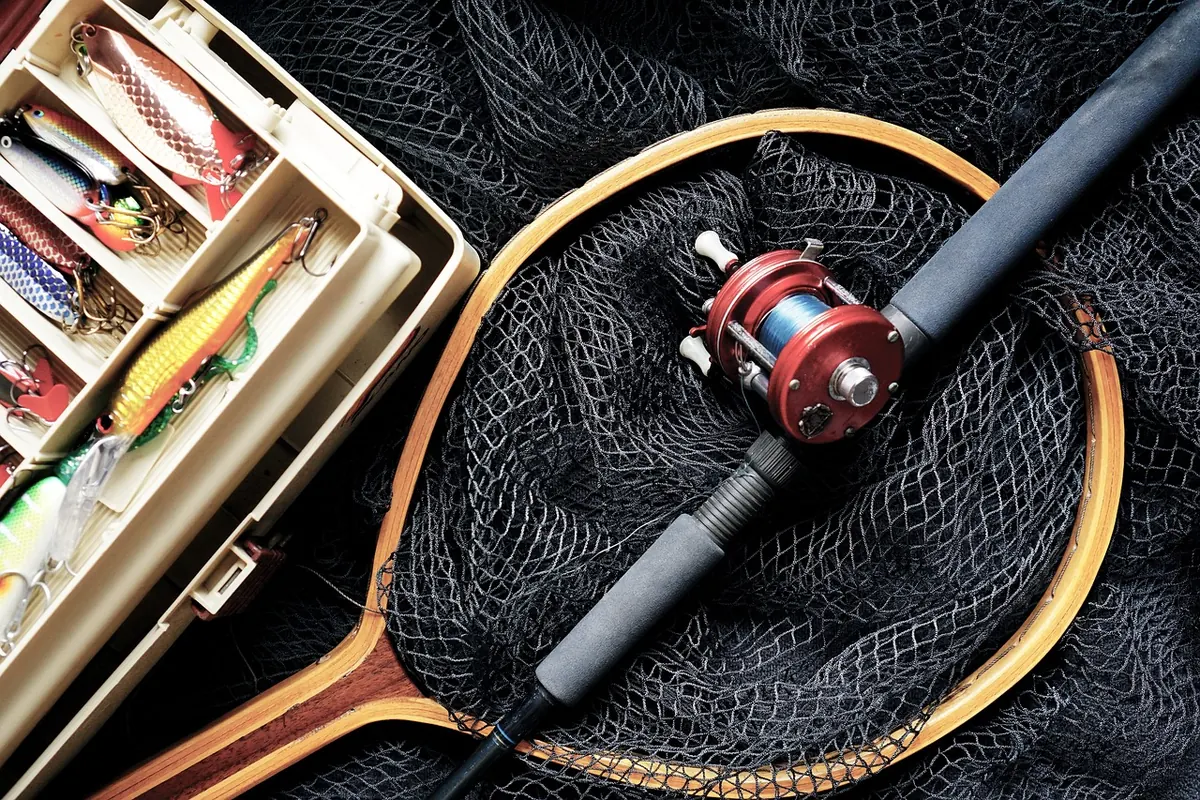
Winter bites are delicate, and delicate bites need light gear to register at all. A typical cold-weather set-up is a float or feeder rod, 0.12mm main line at most on stillwaters, hooklengths of 0.10mm or 0.08mm, and hooks between size 18 and 22. On a river, where chub can still pull, you might step up to 0.14mm or 0.12mm and a size 14 or 16 — but even then, finer than you would fish in June.
Small floats help. A light waggler, a slim stick float or a pole float dotted down so that barely a millimetre shows will tell you about a bite that a heavier float would swallow whole. Keep hooks sharp and change the hooklength every hour or so; a blunt hook loses winter bites you never even see.
Bait small, feed carefully
Fish eat less in cold water, and a big bed of bait will do more harm than good. Feed a pinch little and often, or barely at all if you intend to move around.
- A single maggot, a pinkie or a small redworm for roach, perch and skimmers.
- A punch of bread or a pinch of flake for chub and roach on rivers.
- A grain of sweetcorn, or two, for bigger roach and chub.
- Hemp, fed sparingly, for river roach. It often works when nothing else does.
- Two or three micro pellets, or a marble-sized ball of sweet, low-oil groundbait, for commercials.
- A small cube of luncheon meat or paste for chub in coloured water.
Liquidised bread is a good winter groundbait because it clouds the water without filling fish up. Squeeze it into a small ball with a few maggots inside, and you have a bait and a feeding signal in one.
Slow the presentation and hold the rig still
In summer, a bait moving through the swim attracts attention. In winter it can put fish off, because anything that looks like effort is not worth chasing. Hold the bait still, then move it fractions of an inch rather than feet.
Float fishing
Fish the float overdepth, with the bait resting on the bottom, or just touching it. Lift and drop the rig gently every minute or two. If bites are hard to come by, try dragging the bait a few inches along the bottom, which can provoke a response from a fish that will not chase.
Ledgering and feeder
A light bomb or small method feeder on a short hooklength, with a quivertip or swingtip to show the bite, is as effective in February as it is in August — just smaller and quieter. Feed a pinch of groundbait or a few maggots with every cast rather than a big ball at the start.
Keep moving and fish tight to features
Cold fish do not travel. They sit in cover and wait for food to come to them, so cover is where the bites are: sunken branches, reedbeds, bridge shadows, overhanging trees, moored boats, the deeper water under a lock. Fish as close to these as you dare.
Roving is the other half of the tactic. Give a swim twenty minutes, bait lightly, and if nothing shows, walk to the next one. On a cold canal, five or six pegs fished briefly will usually beat one peg fished all day, because you are trying to find a shoal rather than draw one to you.
Target the species that actually feed
Roach, perch, chub, dace, grayling and pike all feed through the coldest months. Tench, carp and bream largely switch off. Pike feed particularly well in hard weather, so a deadbait or a slow lure along a drop-off can be a better use of a frosty afternoon than sitting behind a motionless float. If the roach are not responding, change to perch with a worm close to a snag, or head for the river, where chub and barbel often feed in the slacker water within a rod length of the bank after rain.
A ten-point winter plan
- Find the deepest, most sheltered water, and check the sunlit shallows on mild afternoons.
- Fish between mid-morning and mid-afternoon.
- Go after a mild spell, not after a hard frost.
- Drop a hook size and a line diameter.
- Fish a single maggot or a punch of bread rather than a big bait.
- Feed a pinch, not a pouch.
- Hold the rig still and be patient with it.
- Fish tight to cover and move on if nothing shows.
- Target roach, perch, chub or pike, and leave the carp alone until spring.
- Take a flask, tell someone where you are going, and never trust ice.
Handle what you catch with wet hands, use an unhooking mat, and return fish quickly — keepnets and long photo sessions do cold fish no favours. Then wrap up, sit on your hands if you must, and give it another twenty minutes. Winter sport is rarely fast, but it is often the most satisfying fishing of the year.
Photo: thenorthbaybay / Pixabay