Coarse fishing rewards patience far more than it rewards spending. You can turn up with a modest float rod, a pint of maggots and a rough plan, and catch roach, perch, bream and the occasional bonus tench from a swim nobody else has bothered with. The people who struggle on their first trip are usually the ones who skipped the preparation. Sort the licence, learn one rig properly, and spend five minutes thinking about where the fish might actually be — that is the whole job.
Licence and Permits Come First
In England and Wales, a rod licence is required for anyone aged 13 or over fishing for coarse fish and non-migratory trout in freshwater. Buy yours online from the Environment Agency or Natural Resources Wales before you leave the house, and carry it with you. If you live elsewhere in the UK, check the local rules before you go, because they differ.
The rod licence is separate from permission to fish the water itself. Most lakes and rivers need either a day ticket or a club permit, so decide where you're going and pay for that too. Fisheries also set their own rules — some ban keepnets, some insist on barbless hooks, some specify net mesh sizes. Read the noticeboard or the club book rather than guessing. Bailiffs and club officials do check, and being turned away at the gate is a miserable start.
Kit That Actually Matters
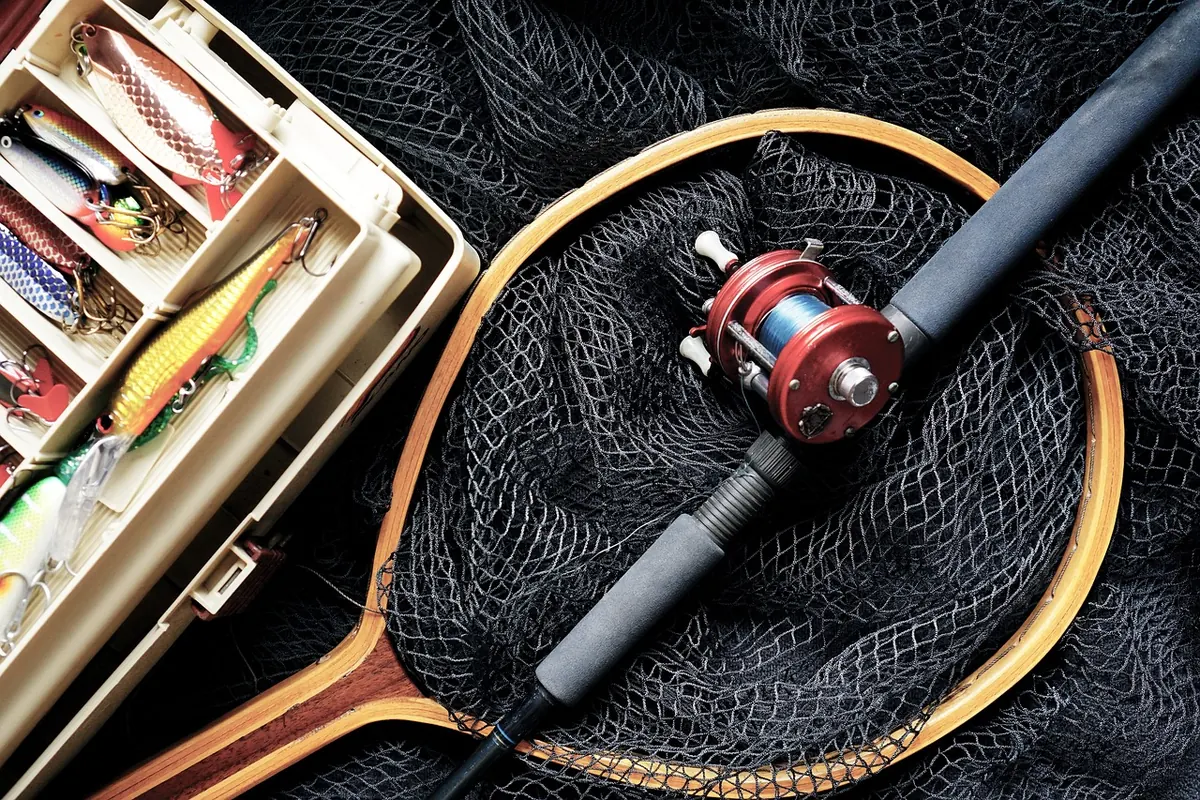
You do not need a tackle shop's worth of gear for a first session. A reasonable starting setup looks like this:
- A float rod around 10–12ft, paired with a small fixed-spool reel.
- Main line of roughly 4–6lb breaking strain, plus hooklengths in 2–3lb.
- Two or three wagglers — a light one for calm days, a heavier one for wind.
- Split shot in a dispenser, and hooks to nylon in sizes 16 down to 12.
- A disgorger, forceps, a landing net and an unhooking mat.
- Bait: maggots, a tin of sweetcorn and a few pellets cover most situations.
- A seat, bait boxes, a towel and a bag to carry it in.
That last item matters more than beginners expect. Wet, muddy hands and loose bait get everywhere, and a towel saves the rest of your session. Leave the keepnet at home for now — many venues prohibit them, and they need to be long and well staked to be used responsibly.
A Simple Rig You Can Trust
Start with a waggler, fished on the bottom. Thread your main line through the float's bottom eye only — that's what makes it a waggler, and it casts better than a float fixed at both ends. Pinch a bulk of shot onto the line just below the float, then one or two smaller shot further down as droppers. Tie a small loop or swivel, attach a hooklength of around 8–12 inches of lighter line, and finish with a size 14 or 16 hook.
Before you bait up, plumb the depth. Fix a heavy plummet or a large shot to the hook, cast out, and adjust the float until just the tip sits above the surface. Now you know how deep your swim is, and you can set the bait to sit an inch or two off the bottom where fish are most likely to find it.
If the float isn't producing after an hour or so, a simple running ledger — a small bomb stopped by a bead above a swivel, with a short hooklength — gets a bait hard on the deck and often picks up fish that have moved off. It's worth carrying the bits to make one.
Reading the Water
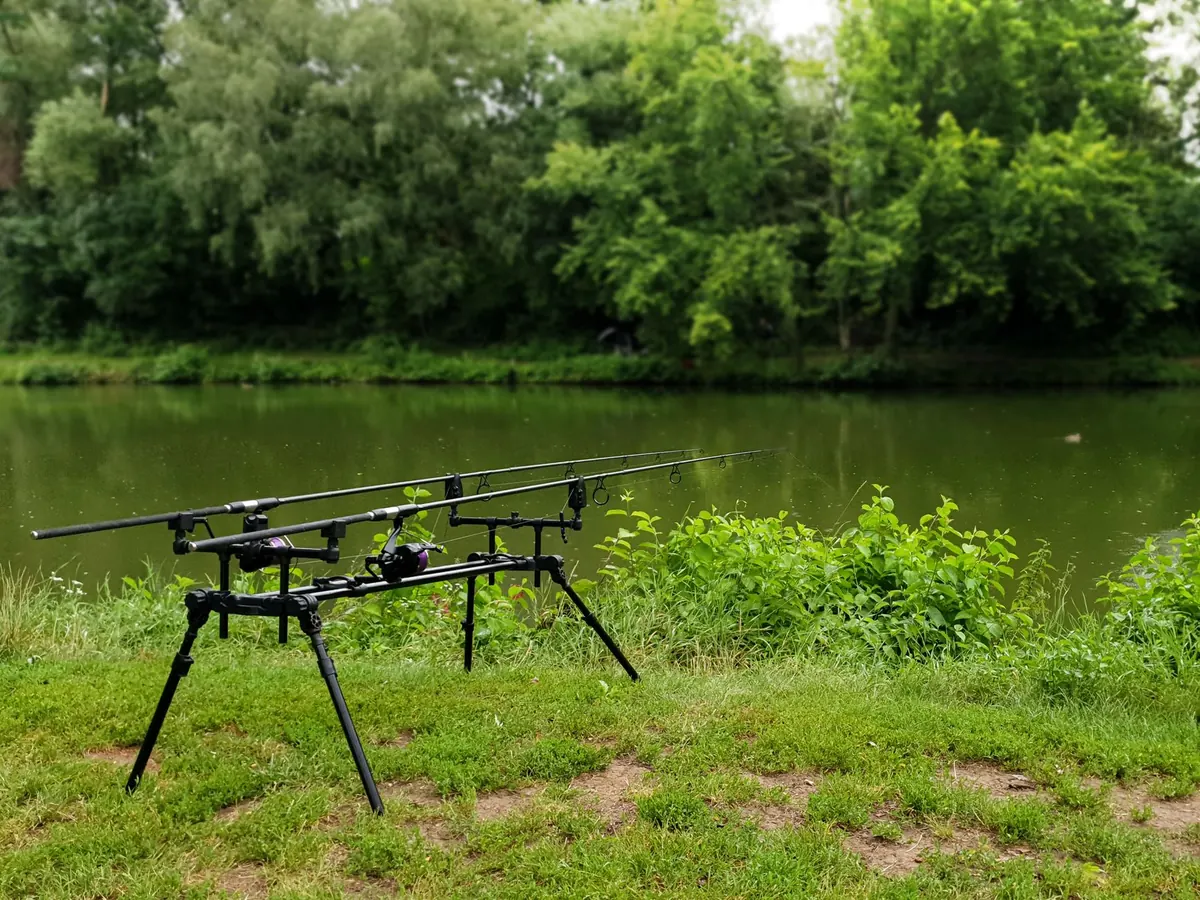
Fish like edges, cover and changes in depth, so look for those before you choose a peg. Lily pads, reed beds, overhanging trees and the margins either side of them are all worth a cast. On rivers, look for slacks behind gravel bars or the crease where fast water meets slow. On lakes, an inlet or a corner that catches the wind will often hold more fish than the middle of a wide, featureless expanse.
Colour tells you something too. A slight green tinge or a bit of colour after rain usually means feeding fish; gin-clear water often means they're spooky and sitting deeper. And watch the surface. Small swirls, pinprick bubbles and patches of movement are all clues about where fish are working, and they save you casting blind.
Bankside Etiquette and Fish Care
Angling works because most people follow a few unwritten rules. Ask before setting up within casting distance of another angler, keep your voice down, and don't walk through someone's swim to reach yours. Take everything home — line, bait bags, cigarette ends. Close gates and park where the signs say. None of this is complicated, but it is noticed.
Handle fish properly and release them quickly. Wet your hands before touching a fish, never let one flap on hard ground, and use the unhooking mat even when it seems unnecessary. A disgorger or forceps makes short work of a swallowed hook. Support the fish in the water until it kicks away strongly, and if it doesn't recover within a minute or so, keep holding it in the flow until it does.
Your First Session, Step by Step
- Arrive early and walk the bank before you commit. Pick a swim with a feature and some shelter from the wind.
- Set up quietly and well back from the water. Feed a small handful of maggots or corn into your chosen spot.
- Plumb the depth, set the float, bait the hook and cast to the same place each time.
- Feed little and often — a few maggots every couple of minutes is plenty. Too much bait kills a swim.
- Strike when the float dips, lifts or slides away sideways. Small fish often give a quick tremble rather than a dramatic plunge.
- Net the fish, unhook it over the mat, return it, and get straight back out there.
Keep It Simple, Then Go Again
Your first session isn't about a big catch. It's about learning where your bait ends up, how a bite feels and how quickly you can deal with a fish once you've hooked one. Expect to miss bites, snag the bottom and lose a rig or two — everyone does. Pack up while you're still enjoying it, note what worked and what didn't, and plan the next trip around that. Two or three sessions in, the routine starts to feel like second nature, and the fishing gets better from there.
Photo: adrian vieriu / Pexels