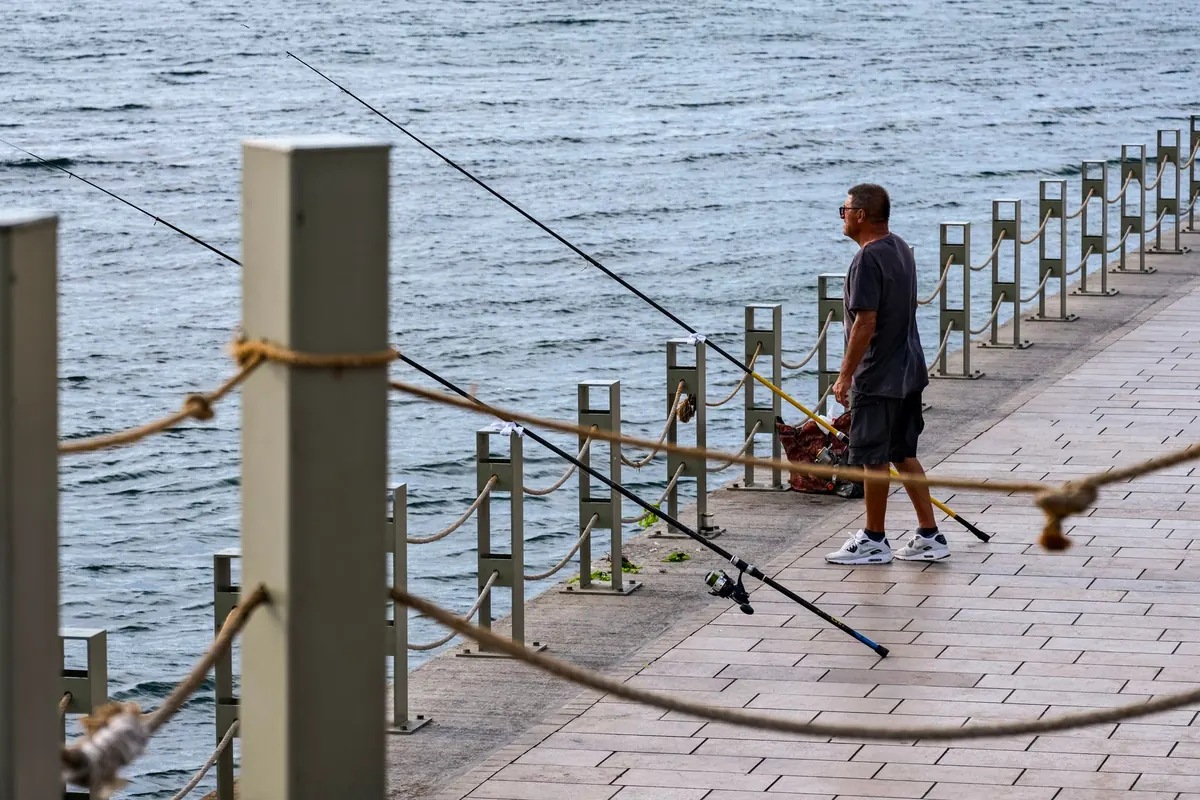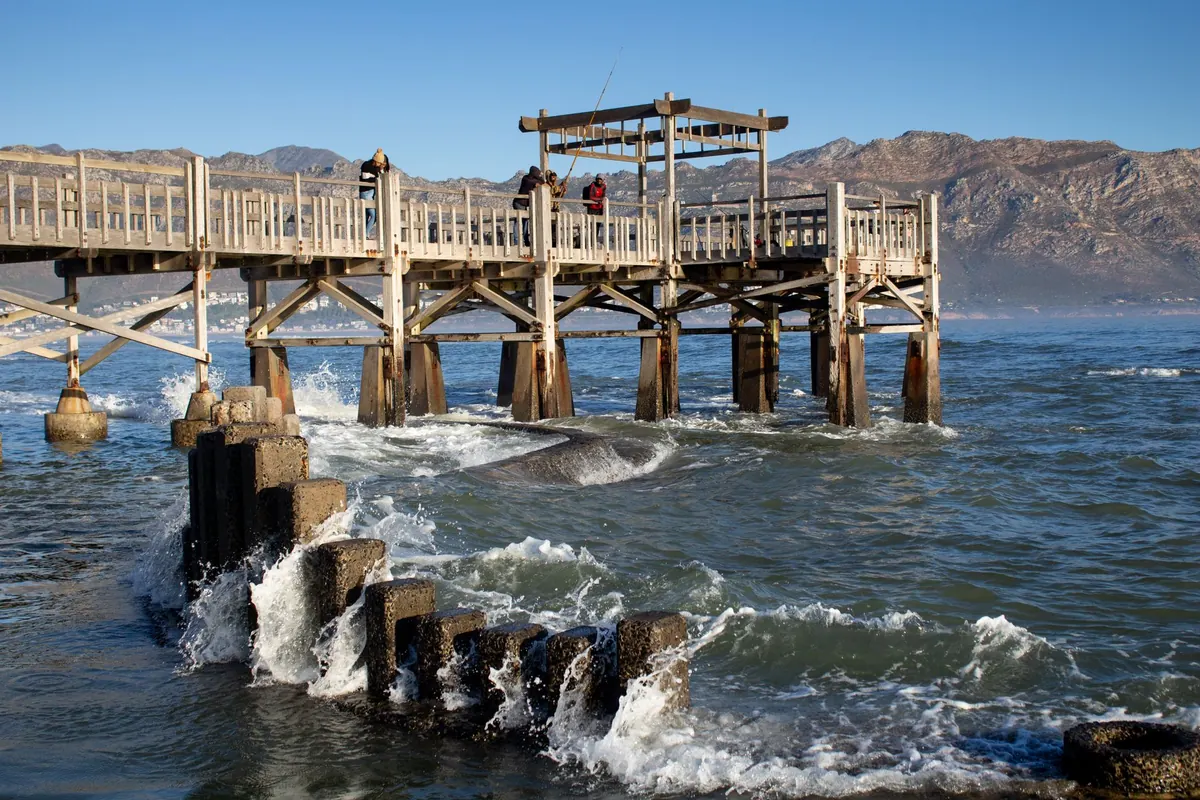
Piers give sea anglers something the beach rarely does: deep water within a few steps of the car. You can drop a bait beside a piling, float a ragworm down the shadow line, or send a pulley rig over sand without wading. But piers are not automatic fish magnets. They are structures in moving water, and the anglers who catch consistently are the ones who read the tide, keep their rigs simple and treat safety as part of the session, not an afterthought.
Read the tide before you bait up
Tide is the engine of pier fishing. On most UK piers, the best window is often the two hours either side of high water, but that is a starting point, not a rule. Some marks fish better on the ebb, especially where the pier stands over sandbanks or a channel. Get a local tide table or app and note the height, not just the time. A big spring high may push swell over the lower deck; a neap may leave slack, clear water that suits float fishing.
Wind against tide can turn a manageable swell into a washing machine. If the wind is onshore and building, choose another mark or fish the sheltered side. Tide run affects lead weight: in a spring ebb, a 5oz or 6oz grip lead may barely hold; at slack, a 2oz plain lead can be enough. Watch the water for a few minutes before you set up. Note colour, weed, floating debris and how the current moves around the pier legs.
Safety checks that come before tackle
Before you thread a rod, run through this list. It takes two minutes and can save the session.
- Check the pier’s rules, opening times and any closed areas. Some piers ban certain rigs, fires, alcohol or fishing from lower decks.
- Look at the sea, not just the forecast. A swell that looks small from the car park can send spray over the railings.
- Tell someone where you are going and when you expect to be back.
- Wear non-slip boots and warm, waterproof clothing. Piers are often wet, frosty or covered in gull mess.
- Take a buoyancy aid if you are fishing alone, at night or on an exposed pier. Wear it; do not leave it in the bag.
- Pack a headtorch, a first-aid kit and a charged phone in a waterproof pouch.
- Carry a drop net for bigger fish. Lifting a decent cod or smoothhound over railings by the line is a good way to lose it and damage the fish.
- Keep your stance low and your gear tidy. Trip hazards on a narrow pier are a real risk.
- Never turn your back on the sea. Waves can arrive in sets.
- Leave if lightning is about. A carbon rod on an open pier is not worth the gamble.
If in doubt, pack up. No fish is worth a soaking or worse.
Simple pier rigs that catch
Pier fishing is vertical, snaggy and often tidal. You do not need a suitcase of rigs. Three or four cover most sessions.
Running ledger for close in
Best for dropping a bait down the side or just off the pier legs. Use a 2/0 to 4/0 hook, a 30lb hooklength and a 2oz to 4oz lead. Let it hit bottom, tighten gently and wait. This rig is ideal for flounder, dab, whiting and bass after dark.
Pulley rig for distance and snags
Use this when you need to cast over a sandbank or lift a fish over the railings. The lead drops away on the take, so the fish is not fighting the weight. A 3/0 to 5/0 hook and a 60lb shockleader are sensible. Bait with peeler crab or a squid and mackerel cocktail for codling, rays and smoothhound.
Two-hook paternoster for scratching
For whiting, dabs and pouting, a simple paternoster with short snoods works well. Size 2 to 1/0 hooks, baited with lug or rag, will pick up small fish without constantly snagging. Keep the hooks above the worst of the weed and mussel beds.
Float and feathers for mid-water
A sliding float with mackerel strip or ragworm is deadly for garfish, pollack and wrasse. Feathers or a single metal lure worked through the water column will take mackerel, scad and the odd bass. Keep a pair of forceps handy; mackerel have sharp teeth and a lively tail.
Use a shockleader if you are casting any distance. Check knots before every cast, and re-tie if the line feels rough.
Baits: fresh, local and matched to species
Bait choice matters more than brand names. Match the bait to the fish you expect and the conditions you face.
- Lugworm: codling, whiting, flounder and plaice. Fresh or frozen black lug both work; a whole worm on a 2/0 hook is a classic pier bait.
- Ragworm: flounder, dab, bass, wrasse and pouting. Lively rag on a float is hard to beat in clear water.
- Peeler crab: bass, smoothhound and codling. It is fiddly to bind on, but few baits out-fish it in summer and autumn.
- Squid: whiting, codling and dogfish. Tough, cheap and stays on the hook in a tide.
- Mackerel strip: mackerel, garfish, dogfish and rays. A fresh strip out-fishes a tired one every time.
- Sandeel: bass, codling and rays. Good as a cocktail with squid or lug.
Keep baits small enough for the hook. A fat bunch of rag on a tiny hook masks the point; a single lug on a 4/0 hook leaves too much bare metal. Use bait elastic to bind soft baits, and change them often. A fresh bait in the water beats a stale one on the hook.
Where to cast from a pier
Not every cast should be straight out. Fish the structure. Piers create eddies, shadows and changes in depth. Drop baits close to the legs at night, cast parallel to the pier wall, or aim for sandbanks, gullies and weed edges. On many piers, the end is not always best; the bend or corner can hold more fish because the current sweeps food into a pocket.
If mackerel are about, feathers and lures will keep you busy. If the tide is running hard, fish closer in with a heavier lead. If it is slack, try a float or a small paternoster. Watch other anglers, but do not crowd them. A pier is a shared space, and a tangled line wastes everyone’s time.
Fish care and local rules
Check current local byelaws and pier notices for size limits, bag limits, closed areas and protected species. Return undersized fish carefully. Wet your hands, use a wet towel or mat on the deck, support big fish and never kick them back. Use a drop net instead of lifting fish by the line. Keep only what you will eat, and take litter home. If you are unsure of a rule, ask the pier office or a local tackle shop.
Plan, watch, adapt
Arrive an hour before you intend to fish. Watch the water, note the tide and decide where to set up. Keep your gear behind you and your bait within reach. Start with one simple rig and fresh bait. If nothing happens in twenty minutes, change bait, move along the pier or alter your depth. A short walk to the other side of the pier often beats sitting it out. The best pier sessions are rarely the ones with the most tackle; they are the ones where you read the conditions, stayed safe and adapted.
Photo: Mimi / Pexels